How To Build A Strong Brand Through Smart Marketing
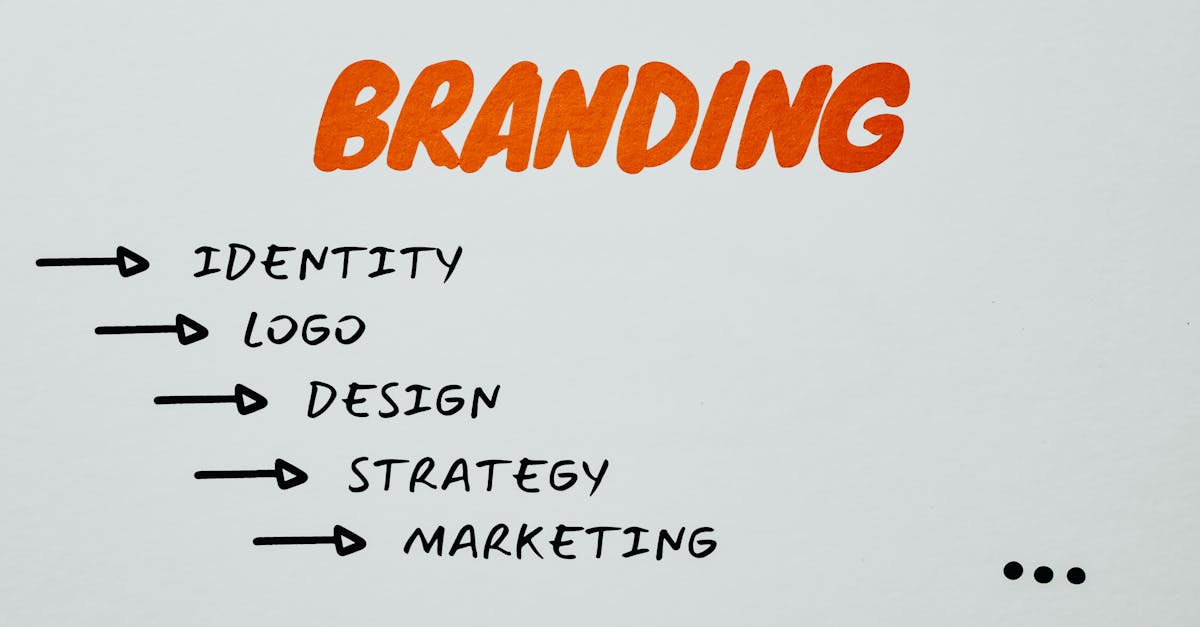
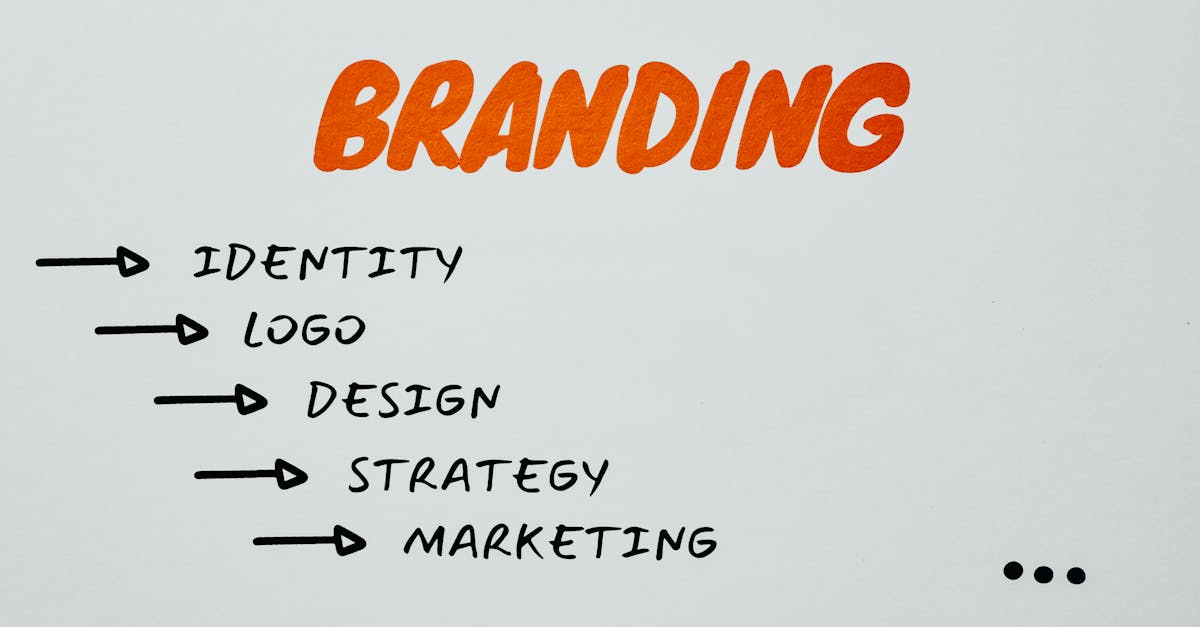
Have you ever wondered why you feel an instant sense of reliability when you see a specific logo or hear a particular brand slogan? It is not an accident. That feeling is the result of years of intentional work, strategic positioning, and smart marketing. A brand is much more than just a colorful logo or a catchy jingle; it is the gut feeling people have when they interact with your business. Think of your brand as a person. Would you trust someone who changes their personality every time you meet? Of course not. Building a strong brand is about creating a consistent, authentic, and valuable identity that sticks in the minds of your customers.
Defining Your Brand Identity
Before you spend a single dollar on advertisements, you must define who you are. If you try to appeal to everyone, you will inevitably end up appealing to no one. Your brand identity is the blueprint of your business. It encompasses your values, your mission, and the specific problem you solve for your customers. Ask yourself this: if your business disappeared tomorrow, would anyone actually miss it? If the answer is yes, you have a solid foundation to build upon. If the answer is unclear, it is time to dig deeper into what makes your business tick.
The Core Pillars Of Strategic Branding
To construct a skyscraper, you need sturdy pillars. Similarly, a strong brand rests on a few key structural elements. These include clarity, consistency, and connection. Without these, your marketing efforts will feel disjointed and flimsy.
Discovering Your Unique Value Proposition
What makes you different from your competitors? It is rarely about having the lowest price. Instead, it is about providing a unique perspective or a better experience. Your unique value proposition should be the golden thread that runs through every piece of content you produce. It is the answer to the customer’s burning question: Why should I choose you over the other ten companies doing the same thing?
Crafting A Compelling Brand Narrative
Humans are hardwired for stories. We do not remember data points as well as we remember tales of transformation. Your brand narrative should focus on your customer being the hero, while your brand acts as the guide. Stop talking about how great your company is and start talking about how you can empower your customer to overcome their obstacles. When you change the narrative from we to you, the connection becomes personal.
Market Research As Your Compass
Marketing without research is like driving through a thick fog with your eyes closed. You might move forward, but you are likely to hit a wall. Research allows you to understand the terrain you are navigating. It helps you identify where your audience hangs out, what keeps them up at night, and what language they use to describe their struggles.
Understanding Your Target Audience
You need to know your audience better than they know themselves. This means going beyond basic data. You are looking for the emotional triggers that drive their decision making process.
Psychographics Versus Demographics
Demographics tell you who the customer is, such as their age or location. Psychographics tell you why they buy, such as their lifestyle, values, and interests. Smart branding leverages psychographics to create a deeper emotional resonance. When you understand the deeper motivations of your audience, you can tailor your message to speak directly to their desires.
Building Trust Through Consistency
Trust is the currency of the modern economy. People do business with brands they trust. The fastest way to destroy trust is inconsistency. If your social media tone is playful but your emails are stiff and corporate, you create cognitive dissonance. Your customers will feel confused and skeptical. You need to ensure that every touchpoint a customer has with your brand feels like it comes from the same source.
Visual Identity And Brand Voice
Your visual identity includes your color palette, typography, and imagery. Your brand voice is the personality behind your text. Does your brand sound like a helpful friend, a brilliant expert, or a witty entertainer? Whatever voice you choose, keep it consistent across your website, blog posts, and advertisements. This creates a sense of familiarity that breeds trust over time.
The Role Of Content Marketing In Branding
Content is the vehicle that carries your brand message to the world. It is the bridge between a stranger and a loyal customer. However, not all content is created equal. You must move away from thin, promotional fluff and move toward high value content that actually solves problems.
Providing Value Before Asking For Sales
The best way to build a brand is to give away your best secrets for free. When you provide educational content that helps your audience achieve small wins, you build authority. You become the go to resource in your niche. When the time finally comes for them to make a purchase, they will already trust you because you have proven your worth.
Social Proof And Community Engagement
Nobody wants to be the first person to try a new restaurant. We look at the line out the door to decide if it is good. This is social proof. Whether it is testimonials, case studies, or user generated content, social proof reassures prospects that others have had a positive experience. Engagement is the next step; do not just post content and vanish. Reply to comments, ask questions, and foster a genuine community where your audience feels heard and valued.
Monitoring And Adapting Your Brand Strategy
A brand is a living entity. It should grow and evolve alongside your audience. Use analytics to see what is working and what is falling flat. Are your blog posts getting traffic? Is your email newsletter driving conversions? Being smart about marketing means being data driven. Don’t be afraid to pivot if the market shifts. Rigidity is the enemy of longevity.
Final Thoughts On Brand Longevity
Building a strong brand is a marathon, not a sprint. It requires patience, persistence, and a genuine commitment to serving your audience. When you focus on building real connections, establishing trust, and delivering consistent value, your brand will become more than just a company. It will become a part of your customers’ lives. Stay true to your mission, keep learning from your audience, and watch how your brand grows from a small seed into a powerful asset that sustains your business for years to come.
Frequently Asked Questions
- How long does it take to build a strong brand? Building a reputable brand is a continuous process that typically takes months to years of consistent effort and engagement.
- Do I need a large budget to build a brand? Not necessarily. While money can accelerate visibility, authenticity and strategic content are often more effective than expensive advertising campaigns.
- Can I change my brand identity later? Yes, but it should be done carefully. Rebranding is a major undertaking that should only be done if your current identity no longer aligns with your goals or your audience.
- Why is consistency so important for branding? Consistency creates recognition and reliability. When a customer knows what to expect from you, their confidence in your brand increases significantly.
- What is the best way to start building a brand? Start by defining your core values and your target audience. Once you know exactly who you are serving, you can tailor your message to resonate with them effectively.